Rejuvenate Your Body with a Cold Plunge
Private, Guided Cold Plunge Sessions
Two to five minutes in 45°F water, in your own private room. A bioworX team member coaches you through your first plunge, breath by breath. Clean, filtered water and fresh towels are ready when you arrive.
2- 5 minutes · 45°F · 100% privagte
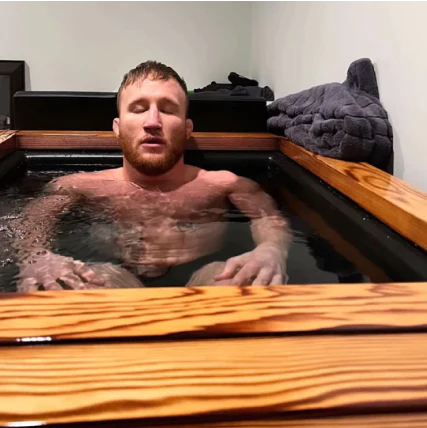
What is a Cold Plunge?
A cold plunge is a short, deliberate soak in cold water, usually below 55°F. People have used cold water to recover and reset for centuries. Athletes made it a routine.
When you lower in, your blood vessels narrow and your body releases norepinephrine, the chemical behind the alert, clear feeling people describe afterward. As you warm back up, your vessels reopen and blood flow returns to your skin and muscles.
At bioworX the water is chilled and filtered around the clock. Every plunge is the same temperature, with no ice to haul.
Your First Cold Plunge at bioworX
Step 1: Check in
Tell us your goals and any health conditions. Wear a swimsuit. We supply the towels.
Step 2: Breath First
In a private room, a team member takes you through a minute of slow breathing before you step in.
Step 3: Lower in
Use the step, then ease down until the water reaches your neck. The first 30 seconds are the hardest. Long, slow exhales get you through.
Step 4: Stay 2 to 5 minutes
First-timers aim for two. You can get out whenever you like.
Step 5: Warm up
Towel off and let your body rewarm on its own. Most people leave feeling awake and clear-headed.
Step 6: Plunge on Your Own
After your first session, plunge on your own in full privacy, or ask us to stay and coach you through it.
Benefits of Cold Plunge Therapy
Inflammation Reduction
Cold water immersion can help decrease swelling and inflammation throughout the body.
A Calmer Response to Stress
A cold plunge is stress you choose and control. Trials show lower stress levels in the hours after cold water immersion.
Less Soreness After Training
Cold water immersion is one of the most studied recovery tools in sport. It may ease muscle soreness in the day after intense exercise.
Focus and Energy
The cold triggers a surge of norepinephrine. People say they feel alert and clear-headed for hours.
Mental Resilience
Staying calm in cold water takes practice. Clients tell us that practice carries over into the rest of their day.
Better Sleep
Early research links regular cold water immersion to better sleep quality.
What the Research Says
We would rather show you the evidence than oversell it. A 2025 review of 11 randomized trials found that cold water immersion lowered stress for about 12 hours and was linked to better sleep and slightly higher quality of life. One trial linked daily cold showers to 29% fewer sick days. The same review found a short-term rise in inflammation right after a plunge, so short sessions and extra care with health conditions make sense.
Training for muscle size? Research suggests cold water straight after lifting can blunt muscle growth. Plunge on rest days, or wait a few hours.
The Science Behind Cold Plunge
Cold plunging, or immersing oneself in cold water, has gained popularity for its numerous health benefits, ranging from enhanced recovery to improved mental clarity. The science behind this practice involves physiological responses triggered by cold exposure, including vasoconstriction, increased circulation, and the release of endorphins. Understanding the stages of cold plunging—from preparation to post-session care—can maximize its effectiveness and help you harness its full potential for well-being.
Step 1
Preparation is key to a successful cold plunge. Begin by mentally setting your intention for the session—whether it’s recovery, stress relief, or boosting your mood. Hydrate well beforehand, as proper hydration helps regulate your body’s response to temperature changes. It’s also beneficial to ease into the experience; consider performing light physical activity or stretching to warm up your muscles. Finally, familiarize yourself with the cold water’s temperature and depth to reduce anxiety and prepare your mind for the experience ahead.
Step 2
Focus on your breath; slow, deep breathing can help manage the shock and reduce feelings of panic. The initial discomfort is part of the process; your body will respond by activating the sympathetic nervous system, leading to a surge of adrenaline and endorphins. Aim to stay in the water for a duration that feels challenging yet manageable, typically between 1 to 5 minutes for beginners. Listen to your body—if you experience extreme discomfort, it’s okay to exit early. Concentrating on your breath and bodily sensations can enhance the benefits and provide a meditative experience.
Step 3
After exiting the cold plunge, allow your body to warm up gradually. This process is crucial as it aids in recovery and helps prevent shock. Wrap yourself in a warm towel or blanket and consider sipping on a warm beverage to help regulate your body temperature. Engage in gentle movements or stretches to promote circulation and facilitate recovery. It’s also a great time to reflect on the experience; take note of how you feel physically and mentally. Many individuals report increased energy and improved mood following a cold plunge. Lastly, staying hydrated post-session is important, as it supports your body’s recovery processes.
FREQUENTLY ASKED QUESTIONS
What is a cold plunge?
A cold plunge involves immersing the body in cold water, typically around 50°F (10°C) or lower, to promote recovery and improve overall health.
How often should I do cold plunges for maximum benefit?
Many individuals find that incorporating cold plunges into their routine 2 to 3 times a week yields the best results, but personal preference and response may vary.
How long should I stay in a cold plunge?
For beginners, staying in for 1 to 3 minutes is recommended. As you become more accustomed, you can gradually increase the duration, aiming for 3 to 5 minutes.
How cold is the water?
Around 45°F. That is cold enough to get the benefits in a few minutes.
Is the session private?
Yes. A team member stays with you the first time if you want, and after that the room is yours.
Is there a size limit?
The tank fits most people up to about 6’7″ and 280 lbs.
Is it safe for everyone to do cold plunges?
While many people can safely enjoy cold plunges, those with certain medical conditions (like cardiovascular issues) should consult a healthcare professional before trying it.
What should I do after a cold plunge?
After your session, warm up gradually with a towel or warm drink, and consider light stretching to promote circulation and recovery.
How often should I do cold plunges for maximum benefit?
Many individuals find that incorporating cold plunges into their routine 2 to 3 times a week yields the best results, but personal preference and response may vary.
What should I wear and bring?
A swimsuit. We provide towels for you to dry off after your session.
How do you keep the water clean?
A four-part purification system, using ozone, runs continuously, and we replace the water regularly.
Should I plunge before or after a workout?
After cardio or sport, any time. After heavy lifting, wait a few hours or plunge on a rest day.