
Rejuvenate Your Body with a Cold Plunge
Cold Plunge Benefits: Enhanced Circulation, Muscle Recovery, and Mental Clarity
Experience the invigorating power of cold water immersion, a transformative form of therapy that provides a multitude of health benefits. Discover the ultimate path to feeling rejuvenated by dipping into our cold plunge.
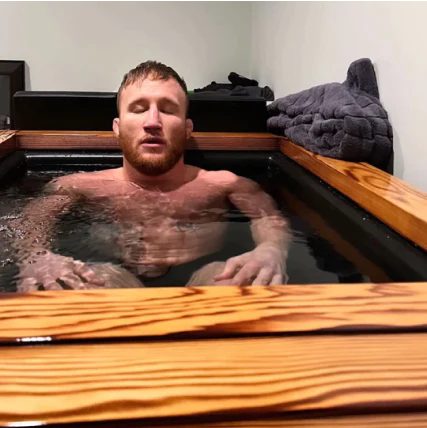
What is Cold Plunge?
Cold water immersion (aka cold plunging) is a practice that has been around for decades and practiced mostly by athletes for muscle recovery. By immersing your body in chilled waters, you unlock a world of improved physical well-being, optimized blood circulation, heightened mental clarity, and accelerated fat burning. Embrace the cold, embrace the change, and embark on a journey towards absolute wellness.
Embrace the cold, embrace the change, and embark on a journey towards absolute wellness.
Benefits of Cold Plunge Therapy
Inflammation Reduction
Cold water immersion constricts blood vessels and reduces blood flow to inflamed tissues, significantly decreasing swelling and inflammation throughout the body.
Mental Resilience & Focus
Controlled cold exposure triggers a norepinephrine surge that sharpens focus, elevates mood, and builds mental toughness. Regular cold plunge practice trains your nervous system to handle stress more effectively.
Faster Muscle Recovery
Cold immersion reduces delayed onset muscle soreness (DOMS) and accelerates recovery between training sessions. Used by professional athletes across every major sport
Improved Circulation
The cold-to-warm cycle stimulates blood flow and improves vascular function. When paired with infrared sauna (contrast therapy), this circulatory benefit is amplified.
Immune System Activation
Regular cold exposure has been shown to increase white blood cell count and stimulate immune function, helping your body fight infections more effectively.
Better Sleep
Cold plunge therapy helps regulate your body’s core temperature and nervous system, contributing to deeper, more restorative sleep.
The Science Behind Cold Plunge
Cold plunging, or immersing oneself in cold water, has gained popularity for its numerous health benefits, ranging from enhanced recovery to improved mental clarity. The science behind this practice involves physiological responses triggered by cold exposure, including vasoconstriction, increased circulation, and the release of endorphins. Understanding the stages of cold plunging—from preparation to post-session care—can maximize its effectiveness and help you harness its full potential for well-being.
Step 1
Preparation is key to a successful cold plunge. Begin by mentally setting your intention for the session—whether it’s recovery, stress relief, or boosting your mood. Hydrate well beforehand, as proper hydration helps regulate your body’s response to temperature changes. It’s also beneficial to ease into the experience; consider performing light physical activity or stretching to warm up your muscles. Finally, familiarize yourself with the cold water’s temperature and depth to reduce anxiety and prepare your mind for the experience ahead.
Step 2
Focus on your breath; slow, deep breathing can help manage the shock and reduce feelings of panic. The initial discomfort is part of the process; your body will respond by activating the sympathetic nervous system, leading to a surge of adrenaline and endorphins. Aim to stay in the water for a duration that feels challenging yet manageable, typically between 1 to 5 minutes for beginners. Listen to your body—if you experience extreme discomfort, it’s okay to exit early. Concentrating on your breath and bodily sensations can enhance the benefits and provide a meditative experience.
Step 3
After exiting the cold plunge, allow your body to warm up gradually. This process is crucial as it aids in recovery and helps prevent shock. Wrap yourself in a warm towel or blanket and consider sipping on a warm beverage to help regulate your body temperature. Engage in gentle movements or stretches to promote circulation and facilitate recovery. It’s also a great time to reflect on the experience; take note of how you feel physically and mentally. Many individuals report increased energy and improved mood following a cold plunge. Lastly, staying hydrated post-session is important, as it supports your body’s recovery processes.
Why do Cold Plunge?
Enhanced Recovery
Cold plunging speeds up muscle recovery and decreases inflammation, making it an excellent choice for of all kinds athletes.
Increased Mental Alertness
Cold plunging enhances mental clarity by promoting the release of endorphins and improving blood circulation, which can boost focus and reduce stress.
Boosted Immune System
Cold plunging can boost your immune system by stimulating the production of white blood cells and increasing circulation, helping the body respond more effectively to infections.
Improved Circulation
Cold plunging improves circulation by causing blood vessels to constrict and then dilate, which enhances blood flow and oxygen delivery to the muscles and tissues.
Frequently Asked Questions
What is a cold plunge?
A cold plunge involves immersing the body in cold water, typically around 50°F (10°C) or lower, to promote recovery and improve overall health.
How often should I do cold plunges for maximum benefit?
Many individuals find that incorporating cold plunges into their routine 2 to 3 times a week yields the best results, but personal preference and response may vary.
How long should I stay in a cold plunge?
For beginners, staying in for 1 to 3 minutes is recommended. As you become more accustomed, you can gradually increase the duration, aiming for 3 to 5 minutes.
Is it safe for everyone to do cold plunges?
While many people can safely enjoy cold plunges, those with certain medical conditions (like cardiovascular issues) should consult a healthcare professional before trying it.
What should I do after a cold plunge?
After your session, warm up gradually with a towel or warm drink, and consider light stretching to promote circulation and recovery.
How often should I do cold plunges for maximum benefit?
Many individuals find that incorporating cold plunges into their routine 2 to 3 times a week yields the best results, but personal preference and response may vary.