DISCOVER THE POWER OF RED LIGHT THERAPY
Red Light Therapy for Recovery, Skin Health and Everyday Energy
10-20 relaxing minutes under red and near-infrared light. Red light therapy at bioworX uses professional-grade [device name] technology to support muscle recovery, healthier-looking skin and joint comfort — with no UV, no pain and no downtime.
- Session: 10–20 minutes
- Wavelengths: 630–660 nm red + 810–850 nm near-infrared
- Recommended: 3–4x per week
- Downtime: None
Unlock the Healing Power of Light
What Is Red Light Therapy?
Red light therapy, also called photobiomodulation (PBM), exposes your skin to low levels of red and near-infrared light. Unlike tanning beds, it uses no UV light.
Researchers believe these wavelengths are absorbed by the mitochondria — the energy centers in your cells — which may help cells produce more energy (ATP), make more collagen and calm inflammation. Red light reaches the skin’s surface layers; near-infrared travels deeper into muscle and joint tissue.
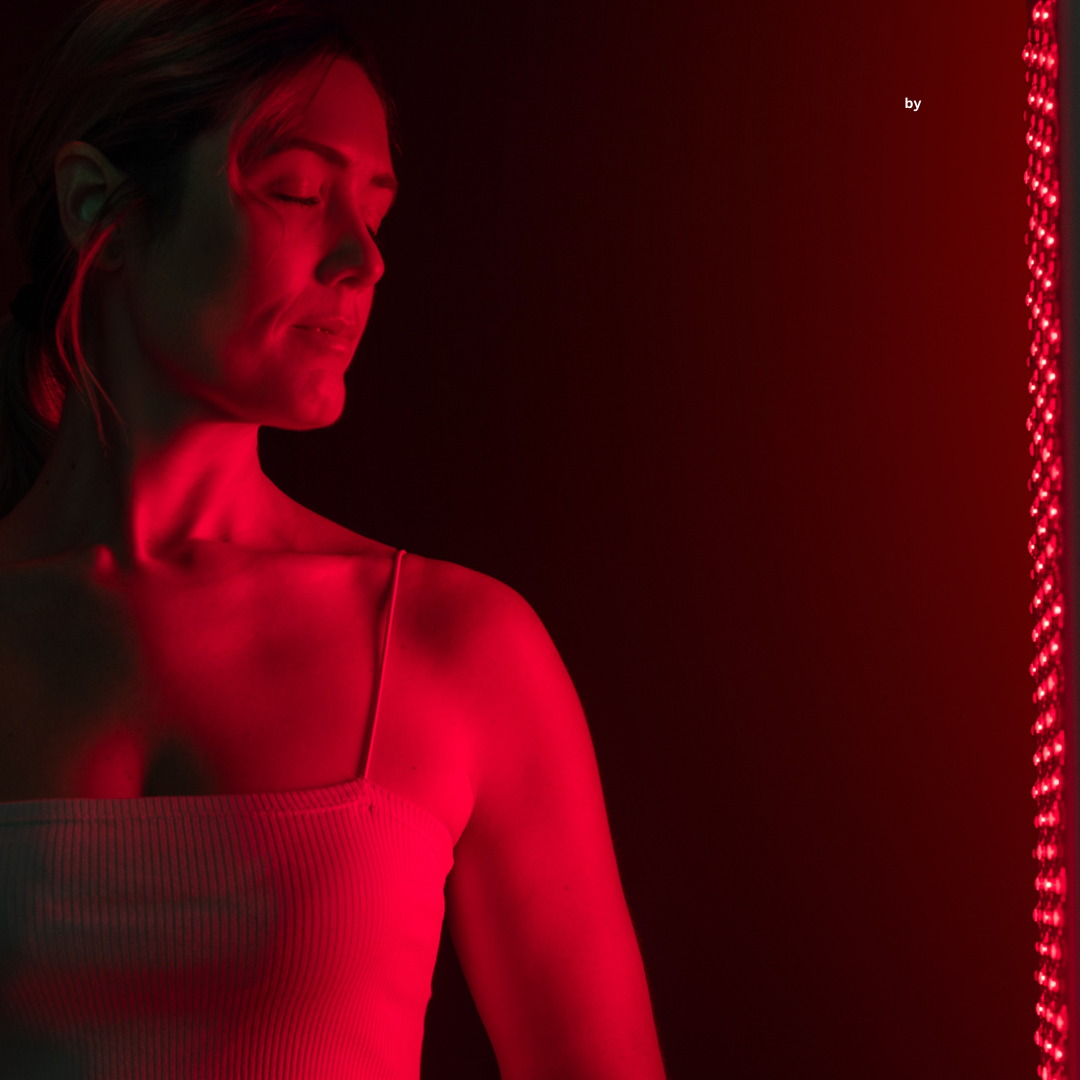
At bioworX, you get a full-body session on professional equipment that is far more powerful than most at-home devices, in a private room.
How Red Light Therapy Works?
Step 1
Light reaches your cells
Red and near-infrared wavelengths pass through the skin into underlying tissue.
Step 2
Cells get an energy boost
Mitochondria absorb the light, which may increase production of ATP, your cells’ main energy source.
Step 3
Your body does the repair work
That extra energy may support collagen production, circulation and a calmer inflammatory response over time.
Results build with consistent sessions; most clients notice changes over several weeks rather than after one visit.
What to Expect in your Red Light Session
Step 1: Check in
A team member walks you through the session and answers any questions. First-time guests should allow an extra 10 minutes.
Step 2: Private room
You’ll enjoy your red light session in a private room. Most guests undress to their comfort level, since bare skin absorbs the most light.
Step 3: Eye protection
We provide goggles. Closing your eyes and relaxing is encouraged.
Step 4: 10–20 min of gentle warmth
You’ll feel mild warmth, not heat. No pain, no sweat, no downtime.
Benefits of Red Light Therapy
Research on red light therapy is still growing, but studies and our clients point to these benefits.
Faster Muscle Recovery
May reduce post-workout soreness and help you bounce back between training days.
Healthier-Looking Skin
May support collagen production for smoother texture and fewer visible fine lines.
Joint and Muscle Comfort
May ease everyday aches, stiffness and tension.
More Natural Energy
Many clients say they feel refreshed and energized after sessions.
Calmer Inflammation
May help regulate the body’s inflammatory response.
Better Circulation
May support blood flow to treated tissue.
How Often Should You Use Red Light Therapy?
For optimal results, follow these guidelines for your red light therapy sessions.
1
Session Frequency
For results, begin with 3–4 sessions per week for the first 4–6 weeks
2
Session Duration
Each session lasts up to 20 minutes, depending on the area treated
3
Consistency
After the initial phase, reduce to 1–2 maintenance sessions weekly
Ask about our packages and memberships — the easiest way to stay consistent.
Red Light Therapy vs Cryotherapy: What’s the Difference?
Red light therapy uses low-level light to gently stimulate cell regeneration over time—ideal for long-term healing, skin health, and chronic inflammation.
Cryotherapy uses extreme cold to quickly reduce inflammation and pain—ideal for short-term relief and muscle soreness. Both have benefits, but red light offers a cumulative effect ideal for consistent wellness routines.
Many guests do both: cryotherapy for a fast reset, red light for steady long-term results.
Ready to Feel the Difference?
Book your first red light therapy session at a bioworX near you. It takes 20 minutes, and your body does the rest.
Pairs Well With
- Infrared Sauna — Warm up circulation before your light session.
- Cryotherapy — A fast inflammation reset, then red light for longer-term support.
- Compression Therapy — Round out a full recovery visit.
Red light therapy at bioworX is a wellness service. It is not intended to diagnose, treat, cure or prevent any disease and is not a substitute for medical care. Individual results vary. Consult your physician before starting any new therapy.
Common Questions About Red Light Therapy
Find answers to the most frequently asked questions about red light therapy.
Can red light therapy help with pain relief?
Research suggests red light therapy may help ease muscle soreness and joint discomfort, and many of our clients use it for recovery. It is not a replacement for medical treatment of chronic or acute pain.
How long until I see results?
Results vary. Many clients notice recovery and energy changes within a few weeks of consistent sessions; skin changes typically take 8–12 weeks.
What should I wear?
Bare skin absorbs the most light, so most guests undress to their comfort level in a private room. Remove any sunscreen from treated areas first.
Do I need to wear protective eyewear?
We provide goggles for every session. Red light is not UV, but the panels are bright, so eye protection keeps you comfortable.
Who should not use red light therapy?
Talk to your doctor first if you are pregnant, have a history of skin cancer, take photosensitizing medications, or have a light-sensitive condition.
How does red light therapy work?
Red light therapy works by stimulating cellular energy production, which enhances cell repair and regeneration.
Are there any side effects?
Side effects are rare, but some individuals may experience mild skin redness or irritation.
How often should I do red light therapy?
For best results, start with multiple sessions per week and adjust based on your progress and needs.
Can red light therapy improve sleep and energy?
Yes, many clients report better sleep, reduced fatigue, and improved mood with consistent use.
Is red light therapy safe?
Red light therapy is considered safe for most people when used as directed on professional equipment. It uses no UV light. Side effects are rare; occasionally guests notice mild, temporary skin redness or warmth.